The Reset Room: Your Space for Self-Care
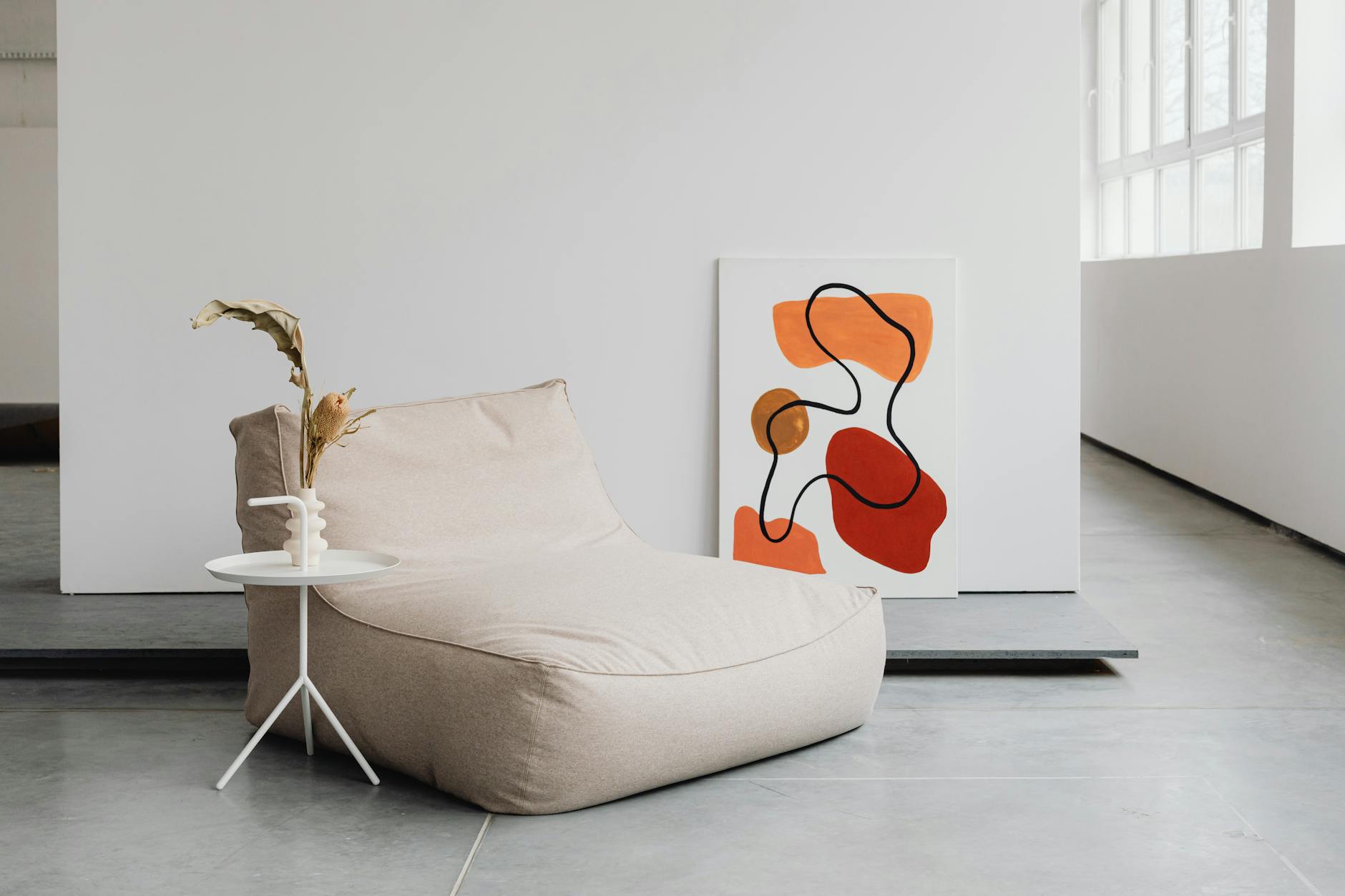
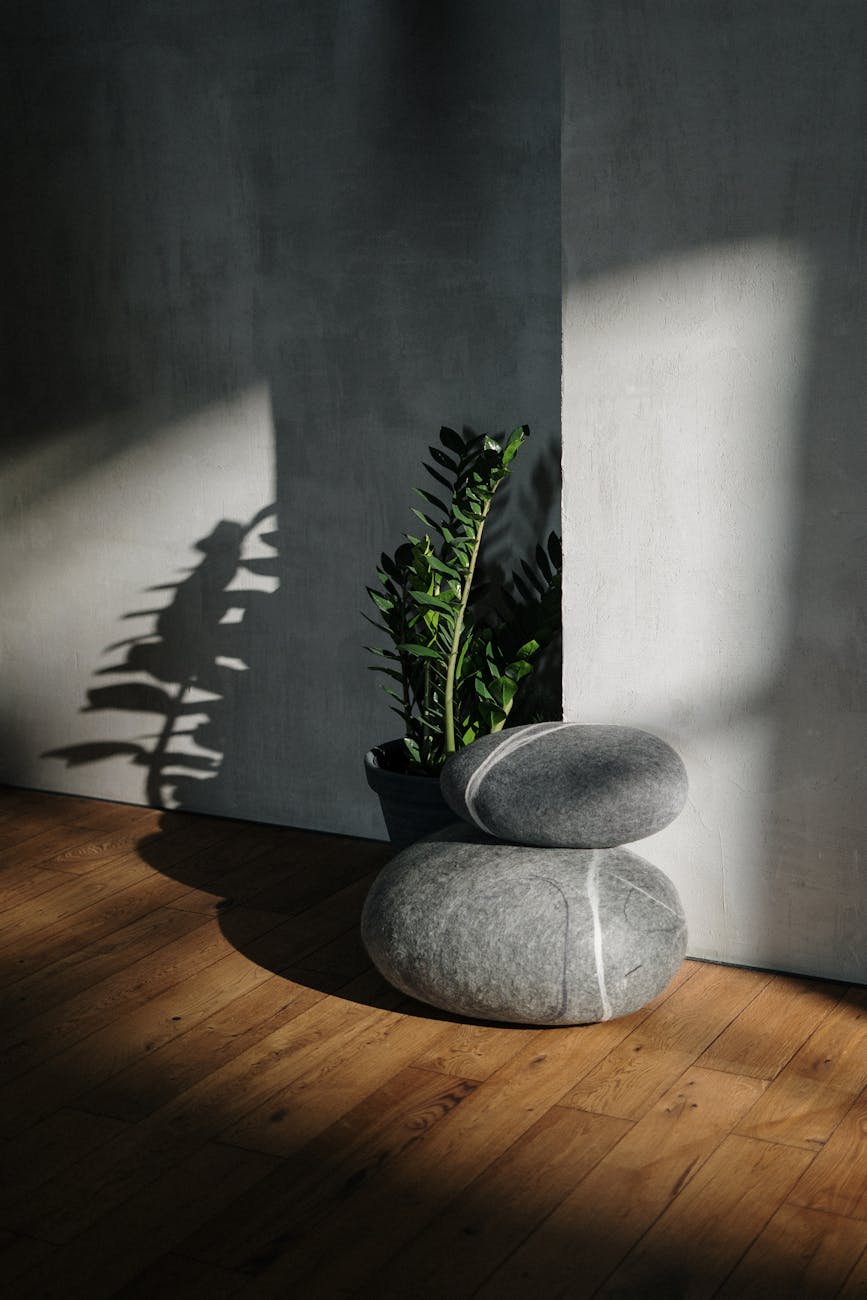
In a world that seems to move at an ever-accelerating pace, creating a dedicated space for self-care isn’t just a luxury—it’s a necessity. The concept of a Reset Room goes beyond the trending aesthetic of cozy corners on social media; it’s a purposeful sanctuary designed to help you decompress, recenter, and nurture your wellbeing.
As someone who manages adult ADHD, I’ve discovered that having a designated calm space isn’t just helpful—it’s transformative. While my mind might race with countless thoughts and tasks, stepping into my reset room helps quiet the mental static. The deliberate absence of clutter and presence of soothing elements doesn’t just support my work; it creates a tangible sense of peace that ripples through other aspects of life.
The Science Behind the Calming Space
What makes a Reset Room so effective isn’t just about aesthetics—it’s rooted in neuroscience. Research shows that our brains form strong associations between physical environments and emotional states. When we consistently use a specific space for relaxation and self-care, our nervous system begins to associate that environment with calm, making it easier to shift into a more peaceful state simply by entering the room.
This environmental conditioning works hand-in-hand with our sensory processing systems. Studies in environmental psychology have demonstrated that elements like soft lighting, calming colors, and comfortable textures can trigger the parasympathetic nervous system—our body’s “rest and digest” mode. This physiological response helps lower stress hormones, reduce blood pressure, and promote mental clarity.
Light and Color: The Foundation of Calm
Begin with lighting—nature’s original mood regulator. Natural light is ideal, but when that’s not possible, opt for adjustable lighting that mimics the sun’s warm glow. Consider a combination of lighting sources: a main soft light, perhaps a Himalayan salt lamp for ambiance, and task lighting for activities like reading or journaling. The key is flexibility to match your changing needs throughout the day.
For colors, lean into nature’s calming palette. Soft greens echo peaceful forests, gentle blues recall tranquil waters, and warm neutrals ground the space. Avoid overly stimulating colors that might disrupt the room’s peaceful purpose. Paint isn’t your only option—textiles, artwork, and accessories can introduce color without permanent commitment.
The Multi-Sensory Experience
A truly effective Reset Room engages all the senses:
Sound: Consider a small fountain for gentle water sounds, a white noise machine, or a carefully curated playlist of calming music. The goal is to create an acoustic barrier between you and the outside world’s chaos. Some find complete silence most peaceful—your space should reflect your preferences.
Scent: Essential oils in a diffuser can transform the atmosphere instantly. Lavender promotes relaxation, citrus energizes, and peppermint clarifies thought. Keep several options available to match your varying needs. Just remember that subtle is better—the scent should support, not overwhelm.
Touch: Layer different textures that invite calm. A plush rug beneath bare feet, a weighted blanket for security, smooth stones for grounding exercises, or stress balls for restless hands. For those of us with ADHD, having something to touch mindfully can actually help maintain focus during meditation or reflection.
Creating Your Reset Ritual
The space itself is only half the equation—how you use it matters just as much. Develop a simple ritual that signals to your brain it’s time to shift gears. This might be:
- Taking three deep breaths upon entering
- Lighting a specific candle
- Playing a particular song
- Putting on comfortable clothing
- Setting a gentle timer for your reset period
Your ritual might be five minutes or fifty—the important thing is consistency in purpose, not duration.
Making It Work in Real Life
While the idea of a perfect Reset Room is appealing, reality often demands compromise. Here’s how to make it work:
Small Spaces: Even a corner of your bedroom can become a Reset Room. Use room dividers, curtains, or simply face your chair toward a peaceful view. The physical space matters less than the intention you bring to it.
Shared Spaces: Communicate with housemates about your needs. Perhaps you can schedule specific reset times, or create a portable reset kit that transforms any space temporarily. The key is finding solutions that respect everyone’s needs while protecting your self-care time.
Budget Considerations: Creating a Reset Room doesn’t require expensive items. Start with what you have—a comfortable chair, some cushions, a favorite plant. Add elements gradually as you discover what truly supports your relaxation practice.
Maintenance: Your Reset Room should be consistently welcoming. Take a few minutes each day to maintain its serenity. Clear clutter, refresh any natural elements, and adjust the space as your needs evolve.
A Tool for Managing Stress
A Reset Room is more than just a trendy concept—it’s a powerful tool for managing stress, supporting mental health, and cultivating inner peace. As someone who has experienced its benefits firsthand, particularly in managing ADHD, I can attest to how a thoughtfully designed space becomes an anchor for wellbeing.
Remember, your Reset Room will evolve as you do. Start with the elements that resonate most strongly with you, and let the space grow alongside your self-care journey. In our increasingly chaotic world, having a dedicated space for reset and renewal isn’t just nice to have—it’s essential for sustainable wellbeing.
The most important thing isn’t perfection, but presence. Your Reset Room is waiting to become whatever you need it to be—a sanctuary, a breathing space, a corner of calm in a busy world. The journey begins with a single step: creating space, both physically and mentally, for your wellbeing to flourish.
Ready to create your own Reset Room? Explore more wellness insights and tips on our website at Intrinsic Vicissitude. And don’t journey alone—join our supportive community in our private Facebook group, Empowered by Intrinsic Vicissitude, where members share their self-care spaces, wellness strategies, and daily victories. Together, we’re creating spaces and rituals that nurture growth and peace. Your transformation begins here.