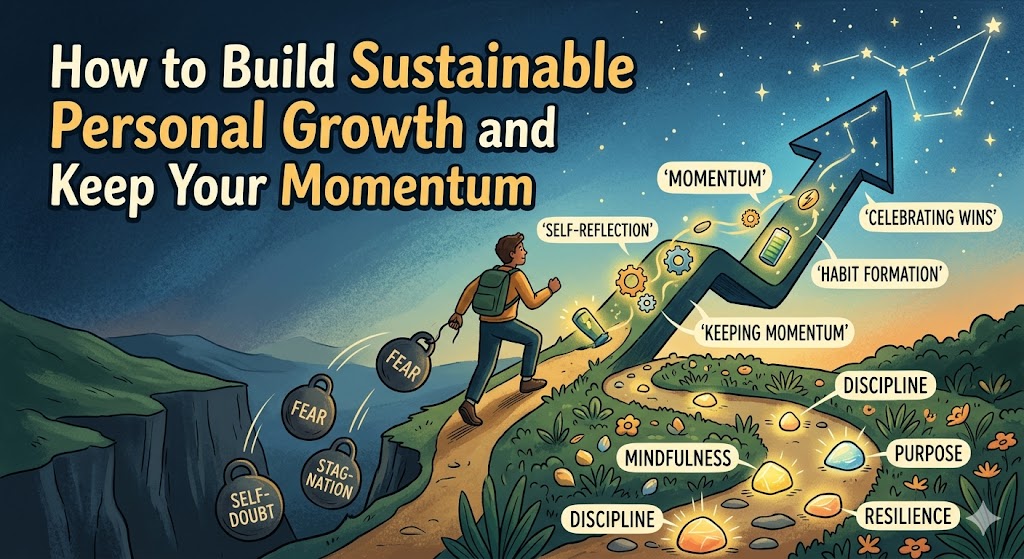
How to Build Sustainable Personal Growth and Keep Your Momentum
By: Lexie Dy
Busy parents juggling work, home, and health often start a self-improvement journey with real energy, then hit the same wall: time runs out, long-term motivation fades, and the plan collapses into guilt. That pattern isn’t a character flaw, it’s a set of predictable personal development challenges that punish effort when progress is built on overdrive. Burnout prevention matters because consistency is what turns good intentions into lasting change, and burnout breaks consistency first. Sustainable growth looks like progress that fits real life and protects the basics that keep momentum alive.
Understanding Sustainable Self-Improvement
Sustainable self-improvement means building progress on the basics that keep you steady, not on willpower spikes. It starts by spotting where you routinely wobble, like sleep, stress, food, or movement, then choosing low-friction habits that protect both energy and mood. A simple way to frame it is self-care, which supports mind and body wellness so growth can last.
This matters because your body and brain are the engine of every goal, from patience to productivity. When sleep and stress are neglected, even great plans feel heavier, since there is a documented connection between sleep and physical health that also affects mental health.
Think of it like packing lunches for a week: you do a quick fridge check, pick easy staples, then rotate a small menu of healthier lifestyle choices. You are not chasing perfection, you are removing daily friction. With that foundation, SMART goals and time blocks become easier to keep week after week.
Build a Weekly System for Sustainable Growth

Your goal is to turn personal growth into something you can actually repeat, even on busy weeks. This process helps you set clear targets, protect your energy, and create a weekly rhythm that keeps momentum going without relying on motivation.
Choose one SMART goal and define “done”
Start with one goal and make it Specific, Measurable, Achievable, Relevant, and Time-bound. Use plain numbers and dates (for example, “walk 20 minutes, 4 days a week, for the next 3 weeks”) so you can tell if you are on track. Keep it small enough to start today, then expand after you build consistency.
Break it into weekly actions you can schedule
List the next 3 to 5 actions that move your goal forward, then pick the easiest first step. The idea behind breaking down larger goals is that smaller tasks reduce overwhelm and make it obvious what to do next. If a task still feels fuzzy, shrink it until it fits into 10 to 30 minutes.
Lock in two non-negotiable self-care anchors
Choose two basics that stabilize your mood and energy, such as a consistent bedtime window and a short daily walk, and treat them like appointments. When these anchors stay steady, you have more patience, focus, and resilience for everything else. Make them low-friction by deciding the exact time and the easiest version you will do on rough days.
Time-block your week and add buffers
Pick two or three time blocks for your goal actions and place them on your calendar with a small buffer before or after. This turns intentions into protected time, so progress does not depend on “finding a moment.” Use one weekly planning session to decide what you will say no to when the week gets crowded.
Review weekly, track one metric, and add accountability
Do a 10-minute check-in: record your one metric (minutes, reps, pages, sessions) and choose one adjustment for next week. Writing things down and reporting progress works, and 76 percent of participants succeeded when they wrote goals and actions and shared weekly updates with a friend. Keep the review simple: continue what worked, fix what failed, and recommit to the next seven days.
Habits That Keep Growth Steady All Year

Habits matter because they make progress automatic, not emotional. When you repeat the same simple practices, you build confidence, recover faster from setbacks, and keep improving without burning out.
Two-Minute Mindful Reset
- What it is: Take ten slow breaths and label the feeling, then choose the next tiny action.
- How often: Daily
- Why it helps: It reduces stress reactivity and protects your follow-through.
Win Log and Micro-Celebration
- What it is: Write one win and celebrate with a small reward you enjoy.
- How often: 3 times weekly
- Why it helps: It trains your brain to notice progress and stay engaged.
Failure-to-Lesson Debrief
- What it is: After a miss, write: What happened, what I learned, what I will try next.
- How often: Per setback
- Why it helps: A growth mindset program can support learning, especially when things feel hard.
One-Block Skill Rotation
- What it is: Pick one 20-minute block for a different growth area each week.
- How often: Weekly
- Why it helps: Variety prevents boredom and lowers pressure to be perfect.
Friction Audit
- What it is: Remove one obstacle by prepping tools, clothes, or a dedicated workspace.
- How often: Weekly
- Why it helps: Less friction means you start faster on busy days.
Personal Growth Momentum: Common Questions Answered
Q: What do I do when motivation disappears after a good week?
A: Treat motivation as a bonus, not the engine. Lower the target to a two-minute starter and focus on showing up, not crushing it. Track one visible proof of effort so your brain remembers you are progressing.
Q: How can I bounce back fast after I slip or quit for a few days?
A: Reset with a simple review: what happened, what you learned, what you will try next. The idea to reframe setbacks turns a miss into useful information instead of shame. Then restart with the smallest version of the habit today.
Q: When life is busy, what is the fastest “good enough” plan?
A: Pick one tiny daily action and protect it like an appointment. The rule of one small thing every day keeps momentum without requiring big blocks of time.
Q: Can I work on multiple goals without burning out?
A: Yes, if you rotate focus rather than stacking everything at once. Choose one primary goal for the week and one optional “bonus” area only if energy is high.
Q: Should I rely on discipline, or do I need a bigger purpose?
A: Use both, but start with identity and values so effort feels meaningful. Personal growth is about developing self-awareness and living in alignment, not chasing perfection.
Build Sustainable Momentum Through One Daily Growth Commitment

Busy schedules, setbacks, and fading motivation can make long-term personal growth feel like a stop-start project instead of a steady path. The answer is consistent self-improvement grounded in a sustainable approach: small actions, realistic expectations, and a commitment to progress that survives imperfect weeks. Over time, that mindset turns effort into identity, and the sustainable development benefits show up as steadier focus, stronger resilience, and fewer resets. Consistency is the strategy that makes personal growth last. Choose one next action today, one simple practice you can repeat this week, and protect it like an appointment. That long-game commitment is what builds stability, confidence, and a life that keeps getting better under pressure.
Special thanks to guest writer Lexie Dy for this thoughtful contribution. We look forward to featuring more of her work!